


Empowering Sports Through Intellectual Property in the Competitive Arena
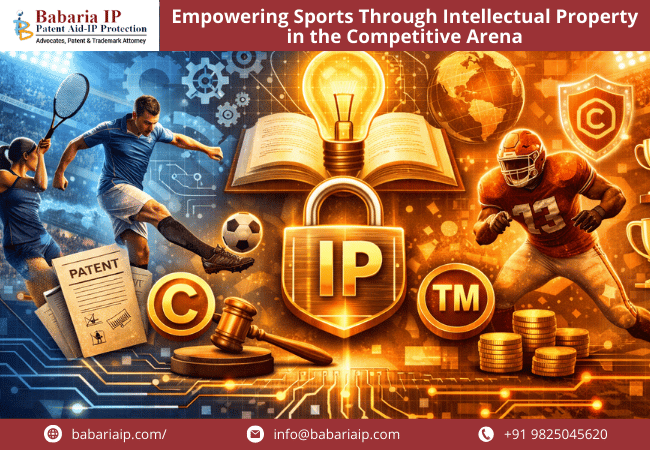
Modern sport is not just competition; it is branding, broadcasting, sponsorship, merchandising, licensing, and digital content, all rolled into one ecosystem. And none of it works properly without intellectual property protection. In India, especially with leagues becoming serious commercial enterprises, issues about ownership of logos, media rights, and athlete branding are routinely handled by intellectual property law firms in India that deal with registration and enforcement. It may sound technical, but without these protections, the sports industry would lose control over the very things that give it value.
Trademarks and the Idea of Ownership
Think about a team logo for a second. Not emotionally, but practically. That logo is printed on jerseys, caps, water bottles, posters, and social media banners. Trademark law prevents anyone wanting to to copy it and sell products without permission. That is exactly what trademark law prevents. It gives the owner exclusive rights over specific names, symbols, and slogans in commercial use. And in sports, identity is everything. If identity becomes diluted, revenue follows.
This is not only about clubs. Individual athletes do this too. Many register their names or even signature gestures. It is not about vanity. It is about preventing misuse. When an athlete signs an endorsement deal, brands are paying for controlled access to that identity. Without trademark protection, that control becomes shaky.
Broadcasting Rights and Why Copyright Matters So Much
If you ask league owners where most of the money comes from, the answer is usually broadcasting. Television networks and streaming platforms pay enormous sums for exclusive rights to show matches. That exclusivity exists because copyright law recognizes the broadcast as protected content. Now think about piracy. Someone records a live match and streams it illegally. Thousands watch it for free. Multiply that across tournaments and countries. The financial impact becomes obvious. Copyright protection allows organizers to take action. It gives them legal backing to stop unauthorized reproduction and distribution.
Patents and Quiet Innovation
Sports look physical from the outside, but behind the scenes there is constant innovation. Equipment design changes, training devices evolve and data analytics tools improve. Some of these innovations are protected by patents. It is easy to overlook this part of intellectual property because it feels less visible than logos or broadcast deals. But better equipment and safer gear directly affect performance and athlete welfare. So patents quietly influence outcomes on the field.
Athlete Image and Personality Rights
This is where things start getting interesting. An athlete today is not just someone who plays a sport. They are a public figure, sometimes even a full scale brand on their own. Their name appears on billboards. Their faces show up in advertisements. Their social media posts can influence millions of people in minutes. That kind of visibility carries value, and where there is value, there needs to be protection.
Personality rights are basically about control. Control over how a person’s name, image, voice, or likeness is used for commercial purposes. If a company uses an athlete’s photograph in an advertisement without permission, that is not just ethically wrong, it can directly affect endorsement deals and public image. An athlete might already be associated with a competing brand. Unauthorized use creates confusion and financial loss.
Licensing as a Structured Business Tool
Intellectual property is not only defensive. It is also enabling. Licensing agreements allow rights holders to permit controlled use of their intellectual property in exchange for payment. This is how official merchandise is manufactured legally. This is how gaming companies use real team names. This is how sponsors integrate logos into marketing campaigns. Licensing creates predictability. It ensures that the brand is used properly and that revenue flows back to the owner. Without it, commercialization would be chaotic.
The Ongoing Problem of Infringement
Even with laws in place, problems keep showing up. During big tournaments, fake jerseys suddenly appear everywhere, outside stadiums, on small online stores, sometimes even on social media pages. They look convincing enough, and many fans do not think twice before buying them. Then there is illegal streaming. A match starts, and within minutes someone is sharing a free link. It spreads fast. Organizers try to shut it down, but new links pop up again. Protecting intellectual property in sports is not a one time task, it is more like a continuous effort that never really pauses.
Conclusion
At a glance, intellectual property might seem like background paperwork. But in reality, it shapes how modern sport survives financially. It protects brand value. It secures media revenue. It encourages technological advancement. It allows athletes to monetize their identity. Sport may begin with passion, but passion alone does not pay production costs, player salaries, or stadium maintenance. Structure does. Intellectual property rights provide that structure.
 Categories :
Intellectual Property
Categories :
Intellectual Property  Tags :
best ip law firms in India , ip law firms in india
Tags :
best ip law firms in India , ip law firms in india
.png)