


How to Respond to a Trademark Objection in India: A Step-by-Step Guide
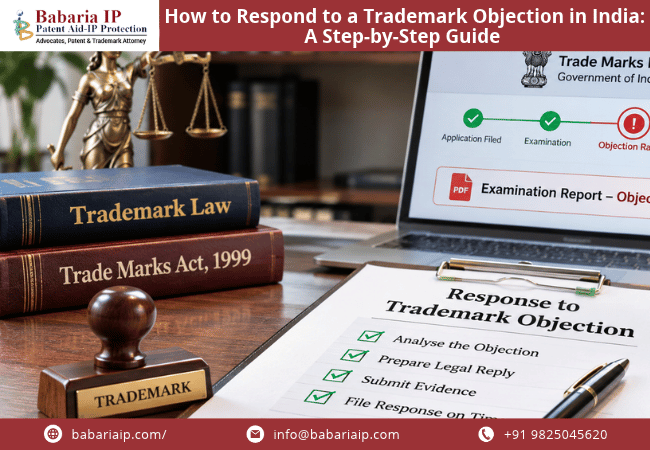
Getting a trademark objection after paying the fee and waiting for weeks is frustrating. It doesn’t matter if you run a start-up, a boutique, or an online store shipping across India. A badly handled notice can stall your registration.
A good reply tells the registry why your mark deserves to be accepted. A trademark lawyer India businesses rely on can read the examination report, spot the legal grounds, and shape a focused response.
Here’s the encouraging part. An objection is not a rejection. Understand the concern, reply on time, and your brand still has a real chance. Let’s see how to respond to a trademark objection in India.
What Is a Trademark Objection in India?
When the Trade Marks Registry examines your application, the examiner looks at the mark, its description, and the goods or services you’ve named. If something bothers them, they raise an objection in the examination report.
Most objections come under the Trade Marks Act, 1999, mainly two sections:
- Section 9: problems with the mark itself
- Section 11: clash with earlier marks
Section 9 covers marks that are descriptive or can’t tell one business from another. Section 11 covers marks that look or sound too close to something already on the register.
Why Does the Trademark Registry Raise Objections?
Knowing the exact reason is half the battle. Most objections fall into three buckets.
1. Similarity with an Existing Trademark
The examiner finds a registered mark that looks, sounds, or reads like yours. The worry is simple: could customers confuse the two?
A new footwear brand with a name close to an established one will need to explain how the marks differ.
2. Lack of Distinctiveness
A trademark should point to one business. Plain, generic, or descriptive words often fail that test on their own.
A bakery named after the exact thing it sells will likely face this question.
3. Incorrect or Unclear Application Details
Sometimes the problem is paperwork, not branding. Common culprits:
- Vague product descriptions
- Wrong class
- Missing details
The fix depends on what your report actually says. A reply copied from someone else’s file rarely answers the examiner’s real concern.
How to Prepare a Trademark Objection Reply in India
A strong reply deals with every point in the report using facts, legal reasoning, and proof. Here’s a practical way to go about it.
Step 1: Read the Examination Report Carefully
Download the report from the official Trade Marks Registry website. Check the application number, applicant name, class, and every objection listed.
Then work out the type of problem: distinctiveness, similarity, classification, or something else. This keeps your reply on target instead of vague.
Step 2: Check the Deadline
Under Rule 33(4) of the Trade Marks Rules, 2017, you generally get one month from receiving the report to respond. Miss it, and the application can be treated as abandoned.
Check the report date and your application status straight away. If the deadline has already passed, get professional advice on what options remain rather than assuming the file is still alive.
Step 3: Prepare a Point-by-Point Reply
Answer each objection separately. Don’t blend them into one long paragraph.
For a descriptive-name objection, you may need to show the mark has become distinctive through use, if the facts support it. For a similarity objection, compare the marks as a whole: sound, appearance, overall impression, and the goods involved.
A trademark lawyer in India can test your arguments, point out weak spots, and make sure every answer matches the report.
Step 4: Attach Supporting Evidence
A proof will only make your answer stronger if it supports a particular claim. Based on your objection, the documents you can use are:
- Invoices and receipts of sale
- Pictures of the packaging
- Examples of advertisements
- Pictures from the website
- History of the brand
Do not try to make the document look impressive by including unnecessary information.
Step 5: File the Reply and Track the Application
Submit the reply through the official online filing system and save the acknowledgement.
Then keep watching the status. The Registry may accept your reply and move the mark towards publication. Or it may call you for a show-cause hearing if doubts remain.
What Makes an Effective Trademark Objection Reply?
Good replies are clear, specific, and backed by evidence. They link the examiner’s worry to facts and the relevant law.
For example, a small skincare company that gets a Section 11 objection because of a similar mark. A weak reply says, “We never meant to copy anyone.” That tells the examiner nothing useful.
A stronger reply studies the cited mark. It compares the goods, the look and sound of both names, and the overall impression on a buyer. Then it explains why confusion is unlikely, but only if the facts truly support that.
Also, avoid leaning on money spent. Saying “we’ve already invested in packaging” doesn’t create a right to registration.
Common Mistakes to Avoid When Replying to a Trademark Objection
Even a genuine application can get delayed by a sloppy reply. Watch out for these:
- Missing the deadline: risks abandonment
- Generic templates: ignore your actual objection
- Unsupported claims: “famous brand” needs proof
- Ignoring cited marks: weakens your case
- Overlooking hearing notices: check the portal regularly
- Last-minute filing: leaves no room for errors
Not sure how to read your report? Speaking to a trademark lawyer in India before you file can save you from mistakes that are hard to undo.
Frequently Asked Questions
1. How do I respond to an objection to my trademark in India?
See the examination report to know the reasons for objections on your trademark and reply to those objections. Send the necessary documents along with your reply through the internet.
2. What is the deadline to reply for a trademark objection?
As per Rule 33(4) of the Trade Marks Rules 2017, the time period will be one month from the date of receipt of the report.
3. Can I register a trademark after an objection?
Yes, provided that the registry accepts your response, the application proceeds toward publication in the Trade Marks Journal. But registration is not assured, as further objections may be raised.
4. Should I hire a trademark lawyer in India to reply to objections?
In cases where there is objection on account of similar trademarks or complex legal issues and voluminous documentation, it would be advisable.
5. What happens if I do not reply to a trademark objection?
The Registry may treat your application as abandoned. If you’ve already missed the deadline, get advice quickly about the options available in your situation.
Conclusion
Replying to a trademark objection takes more than a formal explanation. You need to understand what the examiner is worried about, apply the right provisions of trademark law, and back every argument with proof.
Whether you’re launching in Ahmedabad or growing across India, acting on time protects your brand. Working with a trademark lawyer India entrepreneurs trust can also help you prepare a sound reply and get through registration with fewer surprises.
Need help with an objection? Visit BabariaIP to explore professional intellectual property support.
 Categories :
Trademark Attorney
 Tags :
trademark examination report
, Trademark objection in India
, trademark objection reply
, trademark objection response
, trademark registration
